
Introduction
The nose is a delicate structure made up of bone, cartilage, and soft tissue. Because of its central position on the face, an injury to the nose can affect both appearance and function. Accidents, sports injuries, falls, and other types of trauma may cause swelling, fractures, changes in nasal shape, or breathing difficulties.
While some nasal injuries heal without long-term problems, others may leave behind a crooked appearance, nasal obstruction, asymmetry, or changes in the shape of the nasal bridge or tip. In such situations, reconstructive or corrective surgery may be considered.
Nose Reconstruction in Nashik can help address selected structural changes following nasal trauma. Depending on the nature and severity of the injury, a surgeon may recommend rhinoplasty, functional nasal surgery, or a combination of procedures.
How Can a Nose Injury Affect Its Shape?
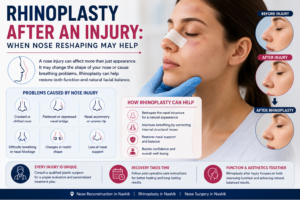
A nasal injury can affect different parts of the nose. A fracture may change the position of the nasal bones, while cartilage damage can affect the nasal tip or internal support.
Some changes may become more noticeable after the initial swelling goes down.
Common changes after a nasal injury may include:
- Crooked or shifted nose
- Flattened or depressed nasal bridge
- Uneven nasal tip
- Nasal asymmetry
- Changes in nostril shape
- Difficulty breathing through the nose
- Persistent nasal blockage
The severity of these problems depends on the type of injury and the structures involved.
When Should You Consider Evaluation After a Nose Injury?
A nose injury should be evaluated by a medical professional when there is significant pain, swelling, bleeding, deformity, or difficulty breathing.
Even when the initial injury appears minor, persistent changes should not be ignored. If the nose remains crooked, breathing becomes difficult, or the appearance has changed after healing, a specialist evaluation may help identify whether there is an underlying structural problem.
In some cases, immediate treatment may be appropriate. In others, the surgeon may recommend allowing the swelling to settle before assessing the final shape of the nose.
What Is Rhinoplasty After an Injury?
Rhinoplasty is a surgical procedure used to reshape or reconstruct the nose. When performed after trauma, it may be used to address both cosmetic and structural concerns.
Post-traumatic rhinoplasty may involve reshaping the nasal bones, cartilage, or other structures depending on the individual’s condition.
The aim is not simply to change the appearance of the nose. Treatment planning may also focus on maintaining or improving nasal support and breathing function where appropriate.
For individuals considering Rhinoplasty in Nashik, a detailed evaluation is important to determine the extent of structural changes caused by the injury.
When Is Nose Reconstruction Considered?
Nose Reconstruction in Nashik may be considered when an injury has caused significant structural changes or tissue damage.
Possible reasons include:
- Persistent nasal deformity
- Significant nasal asymmetry
- Structural damage following a fracture
- Difficulty breathing
- Changes in the nasal bridge
- Damage to nasal cartilage
- Previous unsuccessful nasal surgery after trauma
The appropriate procedure depends on the extent of the damage. Some patients may need limited correction, while others may require more complex reconstruction.
Can Rhinoplasty Improve Breathing After an Injury?
Yes, in selected patients, nasal surgery may help address structural problems that contribute to breathing difficulties.
A traumatic injury can cause the nasal bones or septum to become displaced. This may narrow the nasal passage and make breathing more difficult.
During an evaluation, the surgeon may assess both the external appearance and internal nasal structure. If functional problems are identified, the treatment plan can be designed to address them along with the external deformity when appropriate.
It is important to remember that improvement in breathing cannot be guaranteed for every patient, as the outcome depends on the underlying cause.
How Is Post-Traumatic Rhinoplasty Planned?
Every injury is different, so post-traumatic rhinoplasty requires individualized planning.
During the consultation, the surgeon may evaluate:
- The current shape of the nose
- Nasal bone and cartilage structure
- Internal nasal passages
- Breathing function
- Skin and soft tissue condition
- Previous treatments or surgeries
- The patient’s aesthetic concerns
The surgeon may also discuss medical history and previous injuries to understand how the nose has changed over time.
Based on the evaluation, the surgeon can explain whether rhinoplasty, reconstructive surgery, functional correction, or another approach may be appropriate.
What Happens During the Procedure?
The surgical technique depends on the specific problem.
The procedure may involve carefully repositioning nasal bones, reshaping cartilage, correcting structural abnormalities, or using cartilage grafts to provide additional support.
Some procedures may use an open approach, while others may be performed using internal incisions. The choice depends on the complexity of the correction and the surgeon’s assessment.
The procedure is performed in an appropriate surgical setting under suitable anesthesia.
Recovery After Nose Surgery
Recovery following Nose Surgery in Nashik varies depending on the complexity of the procedure.
During the initial recovery period, patients may experience:
- Swelling
- Bruising
- Nasal congestion
- Mild discomfort
- Temporary changes in sensation
A nasal splint may be used during the early healing period. Patients are generally advised to avoid strenuous activities and protect the nose from accidental impact.
Most visible swelling gradually improves over the following weeks. However, subtle swelling can remain for several months, and the final appearance may take longer to become fully apparent.
Following post-operative instructions and attending scheduled follow-up appointments are important for proper recovery.
Can an Old Nose Injury Still Be Corrected?
In many cases, an old nasal injury can still be evaluated for corrective surgery. Some people may not notice the full effect of an injury until months or years later, particularly if the nose has gradually developed a crooked appearance or breathing difficulty.
The possibility of correction depends on the existing bone and cartilage structure, the extent of previous damage, and the patient’s overall health.
A professional assessment is necessary to determine what options may be appropriate.
Choosing the Right Surgeon
Post-traumatic nasal surgery can be more complex than routine cosmetic rhinoplasty because previous injuries may alter the normal anatomy of the nose.
Choosing a qualified plastic surgeon with appropriate experience in nasal and reconstructive procedures is therefore important.
During consultation, patients should discuss their concerns openly and understand the expected results, recovery period, possible risks, and limitations of surgery.
Conclusion
A nose injury can sometimes result in lasting changes to both appearance and breathing. When these problems persist after the initial healing period, reconstructive or corrective nasal surgery may be considered.
Nose Reconstruction in Nashik can address selected structural problems caused by trauma, while Rhinoplasty in Nashik may help improve the shape and proportions of the nose. In patients with functional concerns, Nose Surgery in Nashik may also be planned to address structural issues affecting nasal airflow.
The right treatment depends on the type of injury, the current nasal structure, breathing function, and individual goals. A detailed consultation with a qualified plastic surgeon can help determine whether surgery is appropriate and what approach may be suitable.
Frequently Asked Questions
Can rhinoplasty be performed after a broken nose?
Yes, rhinoplasty may be considered after a nasal fracture when there are persistent cosmetic or structural concerns. The timing and approach depend on the injury and healing process.
Can nose surgery improve breathing after an injury?
In selected cases, surgery may help improve breathing when structural changes from an injury are affecting the nasal airway.
How long after an injury should rhinoplasty be considered?
The appropriate timing varies. Your surgeon may recommend waiting until swelling has settled and the tissues have healed before planning corrective surgery.
Is nose reconstruction only for cosmetic concerns?
No. Reconstructive nasal procedures may address both appearance and structural or functional problems caused by injury.
How long does recovery take?
Early swelling and bruising generally improve over the first few weeks, but complete healing and refinement of the nose can take several months.